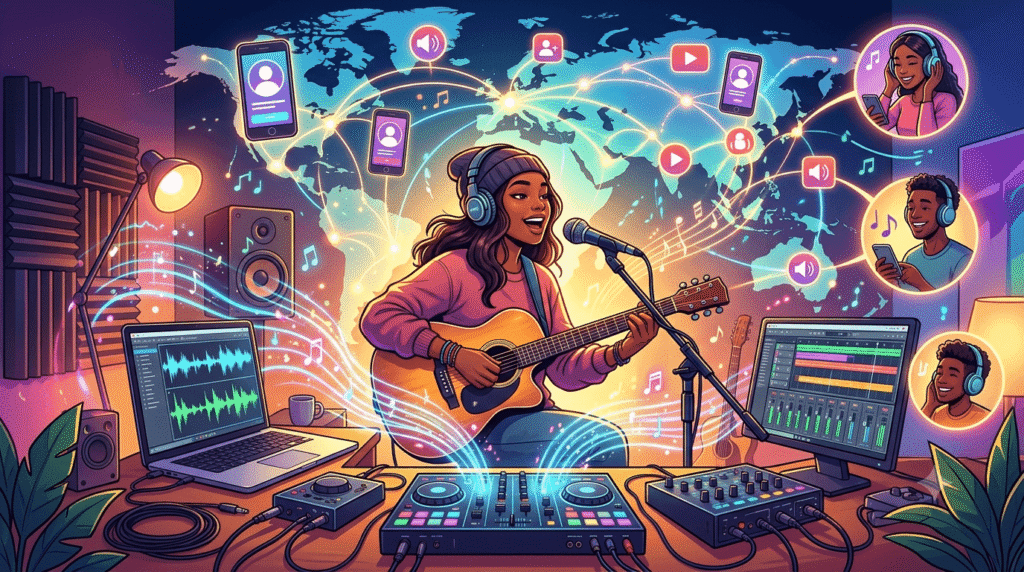

How to Start Learning a Musical Instrument
Learning a musical instrument can be one of the most rewarding hobbies. Whether you choose guitar, piano, drums, violin, or another instrument, the journey offers both personal growth and creative satisfaction.
The first step is selecting an instrument that genuinely interests you. Passion and curiosity will help you stay motivated during the learning process.
Set realistic goals when starting. Instead of trying to master complex songs immediately, focus on basic techniques, simple exercises, and proper posture. Consistent practice is more effective than occasional long sessions.
Online tutorials, mobile apps, and video lessons have made music education more accessible than ever. Beginners can find structured learning resources that fit their schedules and budgets.
Patience is essential. Progress may seem slow at first, but regular practice leads to steady improvement. Recording your practice sessions can help track your development over time.
Joining a music community or finding a teacher can also accelerate learning. Feedback from experienced musicians helps correct mistakes and builds confidence.
Most importantly, enjoy the process. Music is a lifelong skill that provides endless opportunities for creativity, expression, and enjoyment.

One of the biggest benefits of listening to music is stress reduction
it plays an important role in our daily lives. Whether you’re working, exercising, studying, or relaxing, music has the power to influence your mood and improve your overall well-being.
One of the biggest benefits of listening to music is stress reduction. Calm melodies and soothing rhythms can help lower anxiety levels and create a sense of relaxation. Many people use music as a way to unwind after a long day.
Music can also improve focus and productivity. Instrumental tracks and ambient sounds are often used by students and professionals to concentrate on tasks without distractions. Certain genres, such as classical music, have been associated with enhanced cognitive performance.
Another advantage is emotional expression. Music allows listeners to connect with their feelings, whether they are experiencing happiness, excitement, sadness, or nostalgia. Songs often become part of our personal memories and life experiences.
In addition, music encourages physical activity. Upbeat tracks can increase motivation during workouts, helping people maintain energy and endurance while exercising.
With countless genres and artists available today, there is music for every mood and occasion. Making music a part of your daily routine can contribute to a healthier and more enjoyable lifestyle.